Yellowstone Country Assistance Network
Rooted here. Growing possibility.
Recovery & Stability
Recovery Support · Park County, Wyoming
A place to start.
In our 2026 community needs assessment, residents and local organizations in Cody, Powell, Meeteetse, and across Park County named what helps people stay in recovery: a steady place to live, a way to keep working, and a clear path to the help that already exists here.
Towns and communities in Park County
- Cody
- Powell
- Meeteetse
- Ralston
- Garland
- Clark
- Wapiti
- Willwood
- Frannie (Park County side)

Targeted help for people in recovery in Park County
Recovery support is for eligible people working with Active in Recovery or the Park County Court Supervised Treatment Program, and referrals come from those two programs. For other kinds of help, the local organizations you already know are a good place to start.
This page is for Park County, Wyoming. Help looks different from one county to the next, so if you live somewhere else, Wyoming 2-1-1 can tell you what's available where you live: dial 2-1-1 or call (888) 425-7138.
Our Focus in Park County
Recovery, and a community that supports it.
In Park County, Yellowstone Country Assistance Network does two things.
Recovery support
Practical help that keeps recovery on track: a steady place to live, the utilities on, and better health. Referrals come only from the Park County Court Supervised Treatment Program and Active in Recovery. The same people work in both, so it's two programs but one team, walking alongside people in recovery every day.
It draws on more than one funding source, is available all year while funds last, and builds on more than ten years alongside Park County's treatment and recovery programs.
The community initiative
Help for one person at a time only goes so far. Park County's 2026 needs assessment asked for stronger connections among the resources that already exist and a community that supports recovery.
We are working with the community on exactly that: making existing help easier to find, reach, and stay with, so fewer people fall through the gaps between programs.
Where Help Starts in Park County Contact Active in Recovery 1501 Stampede Ave., Suite 2046
Cody, WY 82414
(307) 250-7063
info@activeinrecovery.org Visit Active in Recovery
Active in Recovery
Active in Recovery's peer support specialists walk alongside people in recovery, and their families, in Cody, Powell, Meeteetse, and across Park County.
Cody, WY 82414
(307) 250-7063
info@activeinrecovery.org Visit Active in Recovery
Many organizations support recovery in Park County.
Each one is part of the path.
When We Fit
After a Referral
One tool in their toolbox.
Active in Recovery and the Park County Court Supervised Treatment Program walk alongside people in recovery every day. They know the help that already exists, like energy assistance, help building a budget, or child care assistance, and they look there first.
When none of those fits, and help with housing or another practical need would keep someone's recovery on track, they may reach for us. That choice is theirs to make with the person they're working with. It's one tool among many, used when it's the right one.
Referrals for Park County Recovery Support come only from these two programs. Other organizations that meet someone in recovery can help most by pointing them to Active in Recovery.
After a Referral
What to expect.
- Treatment Court or Active in Recovery sends the referral. They gather what's needed and stay your main contact.
- Eligibility. Referrals are reviewed in the order they arrive complete. First comes whether the person qualifies for one of the programs available, based on things like household income. If one program isn't a fit, another may be.
- The need. We look at what is actually needed, and confirm it is something the program can cover.
- Payment. Once approved, a third-party payment team works directly with the landlord, utility, or provider. We do not issue payments ourselves, and help is never paid as cash.
This takes time, and that's normal. Like any assistance program, each step has to be done carefully. Most decisions take up to 14 business days, counting Monday through Thursday and not holidays. Landlords and providers can expect payment to follow approval through the payment team.
What Help Can Look Like
The piece that keeps everything else working.
Most of the help a person in recovery needs comes from other programs, and it should. We go first, last, or in between, never instead. Here is what that can look like.

A home of their own
Limited help with rent or moving into permanent housing. Someone is housed, maybe has their children back with them, and has a job in place because their peer support specialist helped them get there.

The lights stay on
Help with a utility bill, so a past-due balance doesn't undo the progress someone has made.
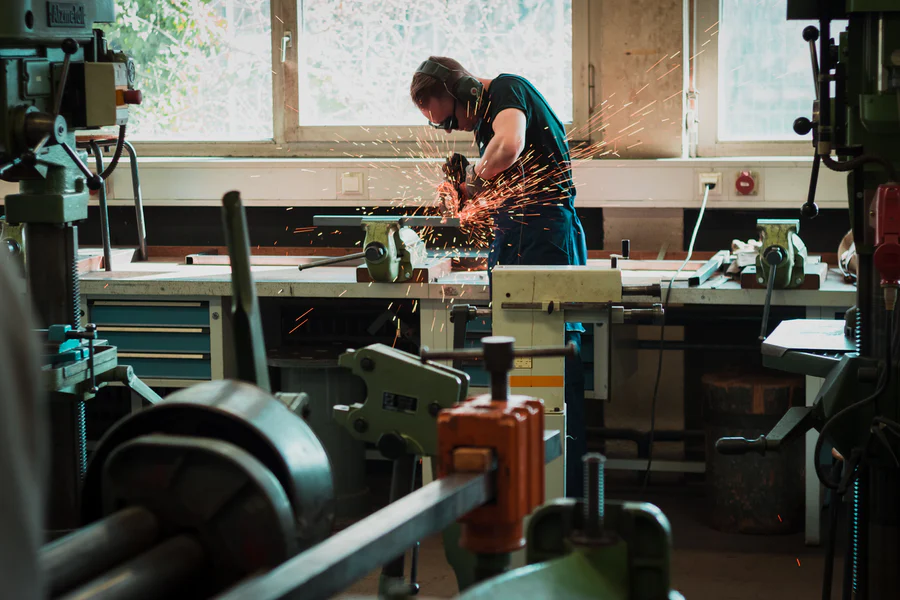
A smile that gets the job
Dental work, so someone can get hired and keep steady work.

A safe place for a few nights
Motel nights, when a safe place to stay keeps recovery on track while longer-term housing comes together.
Getting there
A car repair or new tires, so someone can get to treatment and to work.
Always for a real cost
Every payment goes to the landlord, utility or business, on a bill or a quote. Never cash. Which help fits depends on what the person qualifies for.
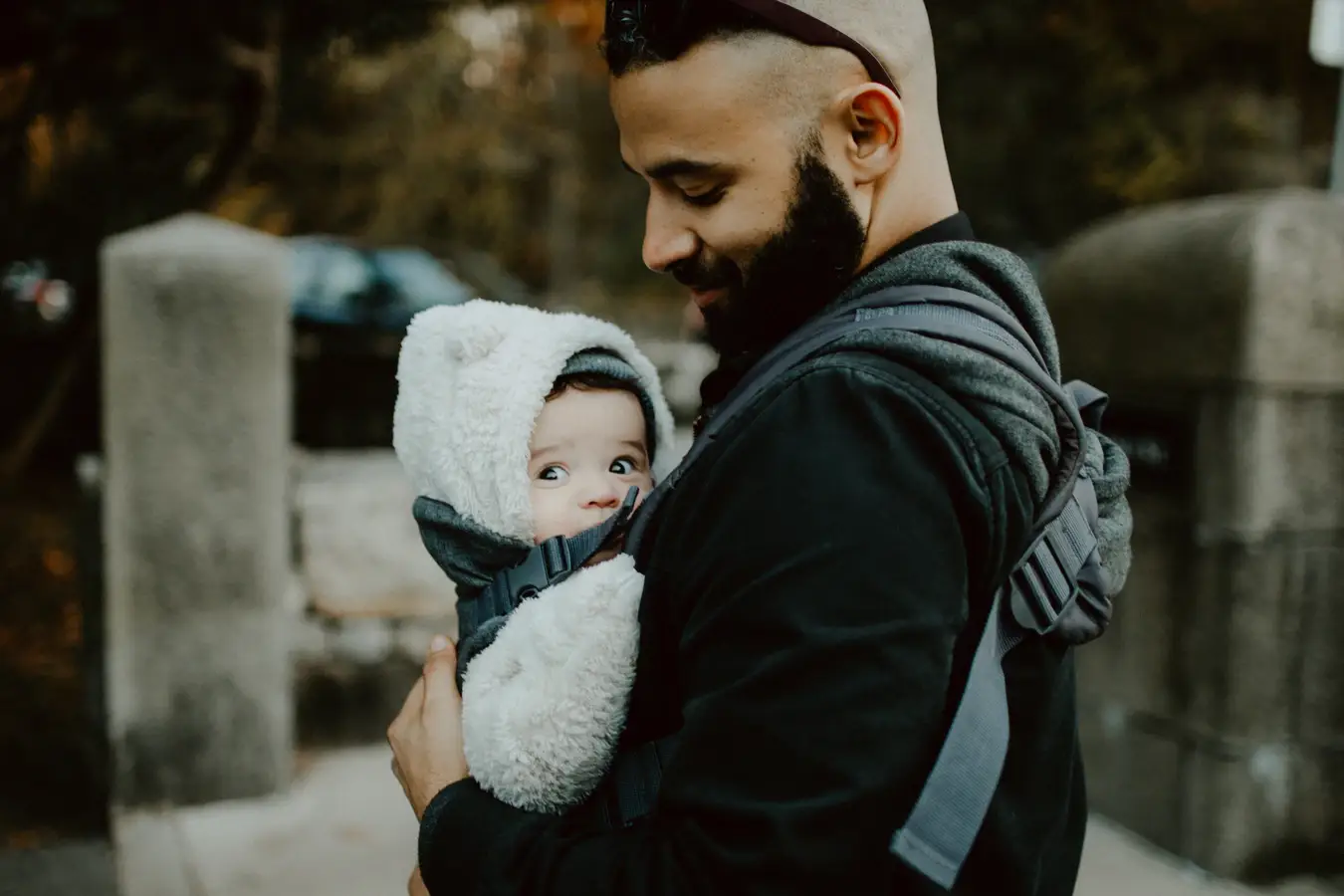
Recovery happens in real life.
A missed rent payment, a shutoff notice, or a tooth that needs care can pull someone away from the work they're doing. The work in Park County is aimed at what lasts:
- Keeping a home, or finding one that is safe and affordable
- Keeping the utilities on
- Better health, including dental care
- Stopping drug or alcohol use, and staying free at 90 and 180 days
- Keeping housing on their own at 90 and 180 days
If It Can't Wait
Domestic violence, sexual assault, or stalking: Crisis Intervention Services, 24 hours, (877) 864-9688.